

Why a common standard is the only way to avoid a fragmented digital identity landscape that holds everyone back. Without a common standard, mobile IDs are like different power sockets across the world—incompatible and frustrating. We explore how ISO 18013-5 solves this and why it’s the bedrock for the EUDI Wallet.
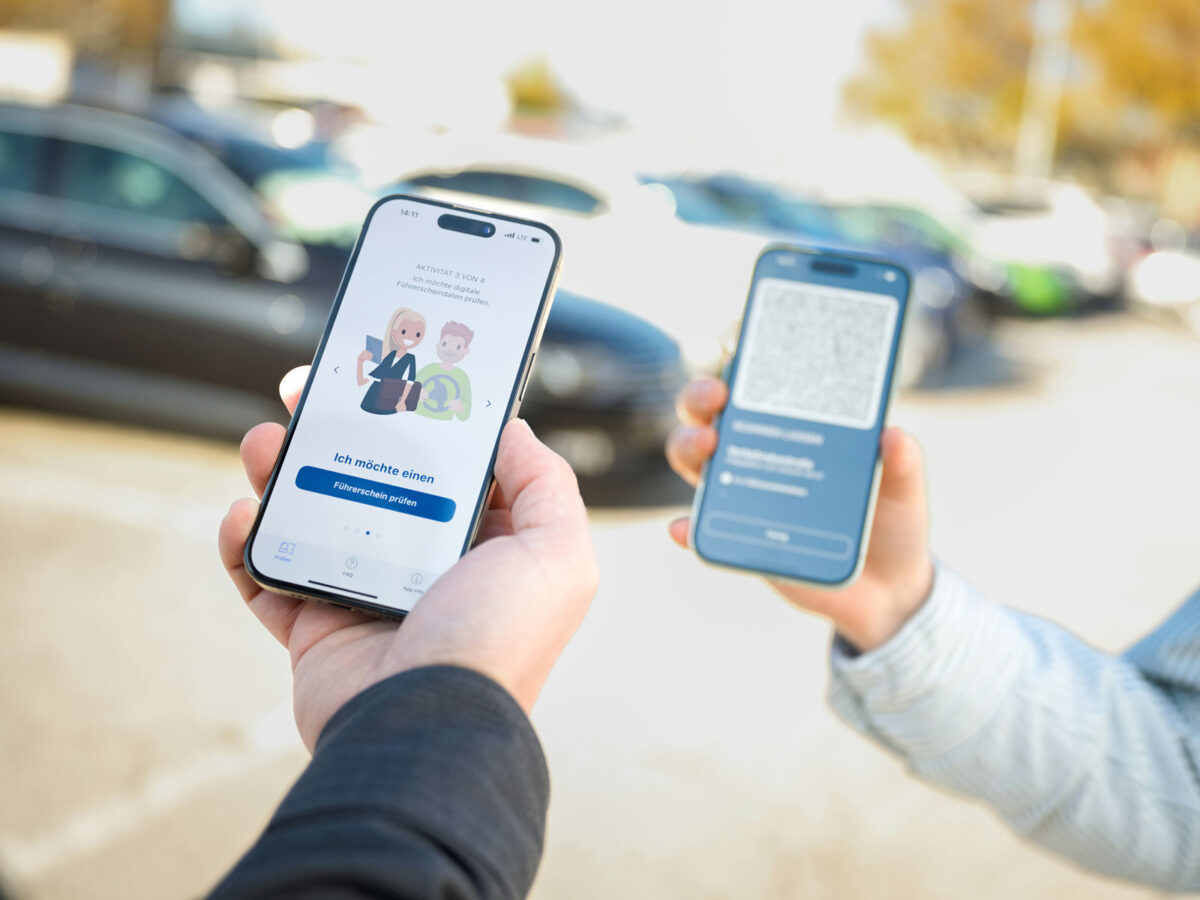
Currently, mobile driver’s licenses (mDLs) operate much like power sockets worldwide: there are many different types, and when you travel abroad, you often find yourself frustrated upon realizing that what you’re used to at home isn’t applicable in your destination country. This can be a significant inconvenience, especially in today’s interconnected world. It is a hassle not only for users, but public administration and police forces as well.
ISO to the rescue
This is where ISO, particularly the ISO 18013-5 standard, comes to the rescue. The International Organization for Standardization (ISO) aims to establish common frameworks for various aspects of business and technology, providing guidelines for processes and protocols through uniquely numbered standards.
For mobile driver’s licenses, the ISO standard provides a foundation for interoperability and security. The standard outlines the technical requirements and specifications for mDLs, ensuring seamless use across different devices, operating systems, and borders.
Key features of ISO 18013-5 include “Privacy Through Selective Disclosure” (basically, this enables users to control what personal data is shared) and a robust “Security Architecture” (it protects against tampering and unauthorized access).
The standard also relies on public-private key cryptography, where mDLs are digitally signed by issuing authorities, and verifiers use the issuing authority’s public key to authenticate the credential.
So is this all just theory? No, as real-world adoptions of ISO 18013-5 are already underway, with countries like Austria leading the way with live mDLs relying on the ISO standard. Additionally, the upcoming ISO 18013-7 standard is set to further enhance the capabilities of mDLs (but this is a topic for another blog post).
Fragmentation through missing standards

But why is ISO 18013-5 so crucial? In today’s digital age, having a standardized framework that facilitates effortless communication between different systems and devices is essential.
By establishing a common foundation for mDLs, ISO 18013-5 enables governments, authorities, and organizations to issue and verify mobile driver’s licenses securely and efficiently, regardless of the device or location.
For instance, in the United States, mDLs can be used to pass through TSA checkpoints at airports, making air travel more convenient and secure.
At the same time, the U.S. also serves as an example for a fragmented technical basis.
According to a recent article in Biometric Update, there are currenly “about 21 states live with 17 different wallets”. Not all of them use the same standard, creating many obstacles in cross-state usage throughout the nation with severe implications for everyday usage.
“The degree of fragmentation creates challenges for relying parties to accept them. They do not all communicate in the same way. Their data is not all formatted the same way. The level of assurance is generally high, but authentication methods or additional validation, such as with biometrics and liveness detection, may be necessary and introduce more complexity into implementations”, as the article puts it (Source).
A Unified Digital ID Ecosystem: The European Union’s Approach
The European Union’s digital identity framework, known as the European Digital Identity Wallet (EUDI Wallet), aims to avoid this scenario. The plan is to create a unified digital ID ecosystem by leveraging ISO standards like ISO 18013-5 as its foundation.
The EUDI Wallet seeks to enable seamless and secure interactions between different member states, allowing citizens to use their digital identities across borders with ease. The goal is to create a wide range of use cases, from accessing public services to verifying age or identity in commercial transactions, all while ensuring security, privacy, and interoperability. By adopting a standardized approach via ISO, the EU aims to unlock the full potential of digital identity, making it easier for citizens to find viable use cases while maintaining control over their personal data.
youniqx: Shaping the Future of Digital Identity
At youniqx, we’re proud to have been part of the ISO 18013-5 development process from the outset.
Our team collaborated closely with other stakeholders to shape the core principles of ISO 18013-5, granting us an in-depth understanding of the standard’s intricacies and details.
As the European Union’s digital identity framework continues to take shape with EUDI, our expertise in ISO 18013-5 and our successful real life implementations (like in Austria) will play a crucial role in shaping the future of digital identity.
We’re committed to remaining at the forefront of innovation, providing solutions for mobile driver’s licenses that meet the highest standards of security and interoperability, and contributing to the development of a seamless and secure digital identity ecosystem.
A Clear Conclusion
By building on the proven foundation of ISO 18013-5, we can avoid global fragmentation and ensure mobile IDs like the EUDI Wallet fulfill their promise of seamless, secure cross-border use.
youniqx Identity is ISO 18013-5 certified